How to Prepare for Chemotherapy: A Practical Checklist
Starting chemotherapy is easier when you know what to arrange beforehand. Use this practical checklist covering reports, medicines, home support, infection precautions, and questions to ask your oncologist.
Обзор
The days before the first chemotherapy cycle are often filled with practical questions: What should I eat? Who should come with me? Which symptoms are emergencies? As a medical oncologist, I find that patients who prepare calmly—medically and logistically—feel more in control on infusion day. This checklist is meant to help you organise what matters before treatment begins.
Confirm the Plan Before Day One
Make sure you understand the regimen name, how often cycles repeat, and the goal of treatment—cure, control, or symptom relief. Ask which medicines are given in hospital and which continue at home.
Clarify expected side effects and which preventive medicines you will receive for nausea, allergy risk, or low blood counts. Knowing the “why” behind each supportive drug reduces anxiety later.
If fertility, work leave, travel, or caregiving responsibilities are concerns, raise them before the first dose so the plan can account for real life—not only the protocol sheet.
Medical Preparation and Reports
Bring recent blood reports, ECG or echo if advised, allergy lists, and a complete medicine list including supplements. Some over-the-counter products and herbals can interfere with chemotherapy or increase bleeding risk.
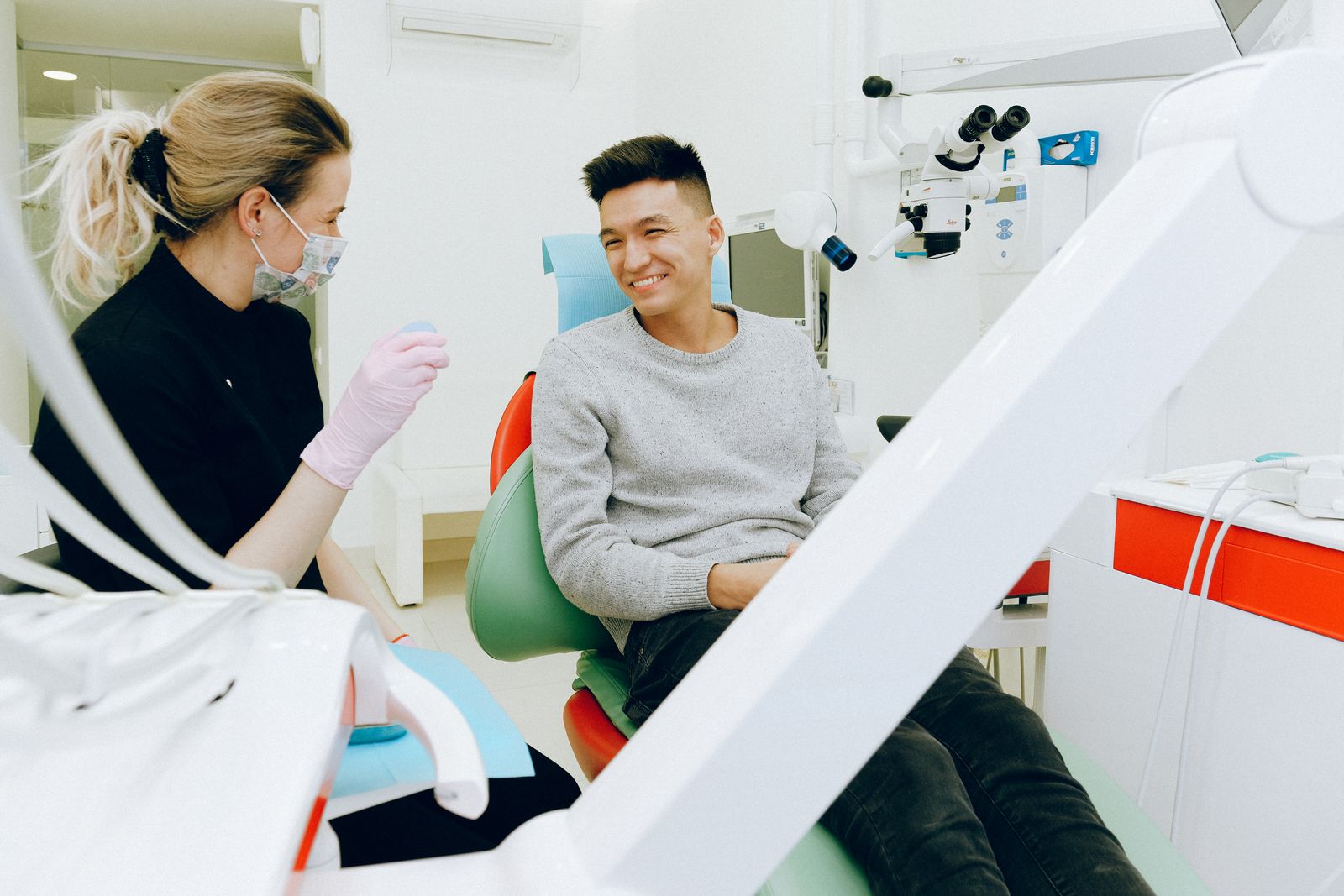
Dental issues, uncontrolled diabetes, active infections, or poorly managed blood pressure should be addressed when possible before starting. Tell your team about prior reactions to medicines or contrast dyes.
Ask whether ports, PICC lines, or simple IV access will be used, and what wound or line care you must follow at home.
- Latest blood counts, kidney and liver tests as requested
- List of medicines, allergies, and prior drug reactions
- Imaging and pathology summaries in one folder
- Emergency clinic/hospital contact numbers saved on your phone
Home and Family Arrangements
Arrange transport for the first sessions—many people feel tired afterward. Keep easy meals ready: khichdi, soups, curd rice, fruit, and oral rehydration options if recommended.
Identify one family member who understands the medicine schedule and warning symptoms. Stock a thermometer, prescribed anti-nausea medicines, and soft oral-care items if mouth sores are a known risk for your regimen.
Reduce infection exposure where advised: hand hygiene, safe food handling, and limiting crowded places during expected low-count windows.
What to Pack on Infusion Day
Carry reports, ID, insurance or hospital papers, a water bottle if allowed, light snacks, a sweater, and something quiet to read or listen to. Wear comfortable layered clothing with sleeves that roll up easily.
Eat a light meal beforehand unless you were told to stay fasting for a procedure. Take regular medicines as instructed—especially blood pressure or diabetes medicines—after confirming with the team.
Arrive with questions written down. Infusion days are busy; written notes prevent forgotten doubts.
Safety Rules to Learn Early
Know the fever threshold your team uses and treat fever during chemotherapy as urgent until told otherwise. Uncontrolled vomiting, bloody stools, chest pain, breathlessness, or sudden confusion also need same-day care.
Do not skip supportive medicines because you “feel fine” on day one—prevention often works better than rescue. Equally, do not add new supplements without asking.
Keep a simple symptom diary for energy, nausea, stools, and fever. It makes follow-up visits faster and safer.
Preparing with Dr. A. K. Dhar’s Team
At Marengo Asia Hospitals, Gurugram, we walk patients through regimen details, supportive care, and home precautions before chemotherapy starts. Preparation is part of treatment quality—not an optional extra.
If you are anxious about the first cycle, say so. We can explain the day step by step and align expectations with your diagnosis and overall health.
A clear plan before day one usually means fewer surprises afterward.
Before chemotherapy, confirm the regimen and goals, organise reports and home support, learn fever/emergency rules, and keep supportive medicines on schedule.
Часто задаваемые вопросы
Focus on balanced, hygienic meals and adequate protein and fluids unless your doctor gives specific restrictions. Extreme detox diets are not required and can be harmful.
Not without approval. Some products interact with cancer medicines or affect liver enzymes and bleeding risk. Always ask your oncologist first.
It is wise, especially for the first cycles. Fatigue, nausea, or delayed reactions are easier to manage with support at home and for transport.
Fever during chemotherapy periods of low white cells is one of the most important. Contact your oncology team urgently rather than waiting.